
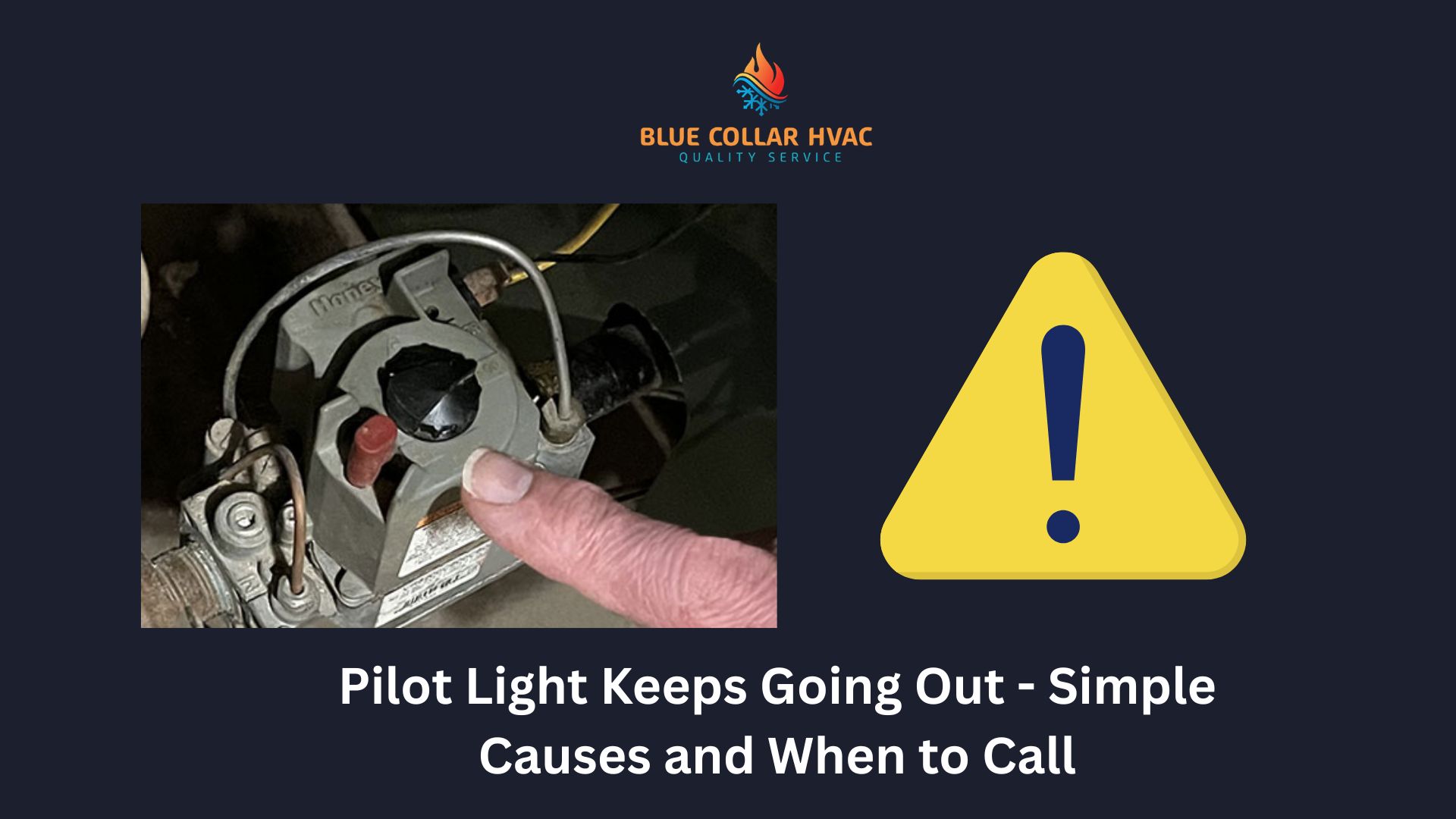
There’s a pilot light that keeps going out in Fayetteville, AR, and you should know common causes like a dirty or faulty thermocouple, draft, or gas supply issues; a dangerous gas leak risk means you must call a licensed technician immediately.
Key Takeaways:
- Pilot light often goes out from drafts, a dirty or clogged pilot orifice, low gas pressure, or a failing thermocouple.
- Simple troubleshooting steps include following the appliance relight procedure, cleaning debris around the pilot, and checking for drafts or vent blockages; replace a worn thermocouple if needed.
- Call a licensed HVAC or gas technician in Fayetteville if you smell gas, the pilot repeatedly dies after relighting, a gas valve or thermocouple likely needs replacement, or you cannot safely relight the pilot.
Understanding the Role of the Pilot Light
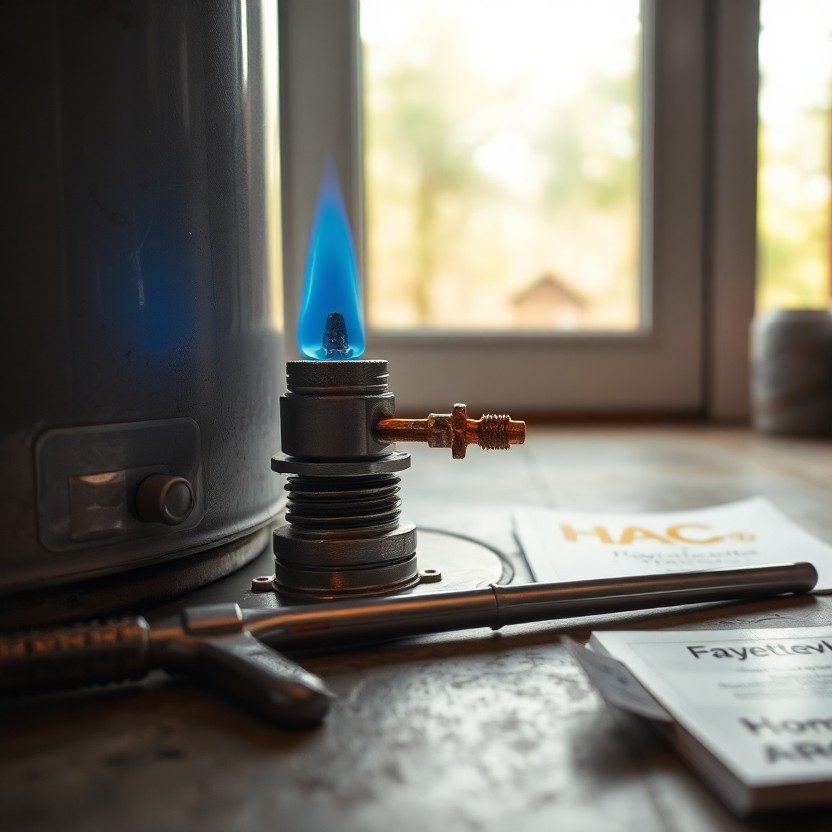
Pilot lights maintain a tiny flame that enables safe ignition of your furnace; if it keeps going out, you’ll lose heat and could face dangerous gas buildup without noticing.
The Function of the Thermocouple
Thermocouple detects your pilot flame and signals the gas valve to stay open; if it fails, the valve shuts and your pilot goes out, causing repeated outages and a need for repair.
How the Pilot Ignites the Main Burner
Ignition starts when your pilot flame heats the thermocouple and signals the main gas valve to open, letting the burner light; watch for irregular flames that interrupt this process.
Check your pilot assembly for soot, a weak flame, or a misaligned orifice; these issues reduce heat transfer so the thermocouple can’t stay hot enough to hold the main valve open-call a pro if you notice persistent relighting.
Environmental Factors Common in Fayetteville
Local temperature shifts, drafts, and seasonal moisture can make your pilot light go out more often. Check vents and seals for gaps after storms. This prevents gas buildup and reduces unsafe resets.
- high humidity
- drafts
- debris
Impact of High Humidity and Drafts
Humidity and drafts interrupt the pilot’s steady flame; you should inspect attic vents, crawlspaces, and dryer vents for leaks. If the pilot light repeatedly goes out, shut off gas and consider professional help to avoid carbon monoxide risk.
Seasonal Dust and Debris Accumulation
Dust and debris can clog the pilot assembly and flame sensor, causing frequent outages; you should clean filters and clear nearby storage. If soot or a weak flame appears, call a pro to prevent fire or gas hazards.
Accumulated pollen and construction dust often settle into the pilot orifice and burner ports, starving the flame of oxygen and causing instability; you should perform gentle cleaning with the appliance off and follow manufacturer instructions. If cleaning doesn’t stop outages or you smell gas, shut off the unit and contact a licensed technician for safety checks and proper repairs.
Simple Mechanical Causes for Pilot Failure
Mechanical issues like worn parts, tight fittings, or vibration can snuff the pilot; you should inspect visible connections and look for loose mounts. If you spot damage or a gas smell, shut off gas and call a pro.
Clogged or Dirty Pilot Orifice
Clogging in the pilot orifice restricts gas flow and dims the flame; you can gently clean with compressed air or a soft brush, but avoid poking metal. If deposits persist, the flame will stay weak and you should contact a technician.
Loose or Misaligned Thermocouple Components
Thermocouple wires or mounting that are loose or misaligned stop the pilot from signaling the gas valve; you should check the sensor’s position and tightness, and replace bent components to restore a steady pilot.
Inspect the thermocouple assembly closely: the sensor tip must sit directly in the pilot flame and the mounting bracket and wiring should be snug. If the tip is bent, corroded, or loose, the pilot will extinguish because the valve thinks there’s no flame. You can tighten or reposition minor issues, but replace the thermocouple or call a pro if corrosion, breaks, or persistent outages occur.
Gas Supply and Pressure Issues
Low gas supply or pressure drops can snuff your pilot light; if this happens often, inspect vents and burners. If you smell gas or see flame instability, shut off your appliance and call the gas company-these are danger signs.
Fluctuations in Local Gas Line Pressure
Intermittent pressure changes from the utility can extinguish your pilot unexpectedly; track outages and note times. If multiple neighbors report issues, contact the gas company and avoid lighting appliances until they confirm safe pressure levels.
Malfunctioning Gas Control Valves
Faulty control valves can cut flow or fail to hold pilot gas, causing repeated outages; inspect for wear and have a technician test valve operation-do not attempt major repairs if you suspect internal failure.
If a valve sticks or internal seals fail, you may see hard starts, fluctuating flame, or complete shutdown; a tech can test the pilot solenoid, thermocouple connection, and regulator, replacing the valve when needed. For your safety, shut off the gas and call a licensed pro-do not tamper with internal gas components.
Essential Safety Protocols for Homeowners
Take immediate action if your pilot light keeps going out: shut off the gas, open windows to ventilate, avoid flames or switches, and call a licensed technician if it repeats. You should treat recurring outages as a potential gas hazard and seek professional inspection.
Identifying Gas Leaks and Odors
Smell gas indoors or detect a sweet or rotten-egg scent? You must leave immediately, avoid using electronics or lights, and call 911 or your gas provider from a safe location. Treat any odor as an emergency until a technician confirms otherwise.
Proper Ventilation and Airflow Standards
Ensure vents, flues, and combustion air openings are unobstructed and that your home gets adequate fresh air when burners run; restricted airflow can cause the pilot to extinguish or produce harmful combustion byproducts-schedule checks if outages are frequent.
Inspect dryer vents, furnace intake, and attic seals for blockages and make sure range hoods and bath fans exhaust outdoors; improper makeup air or closed combustion openings can cause backdrafting and dangerous carbon monoxide buildup, so have a pro measure airflow and recommend fixes if you notice soot, yellow flames, or repeated pilot failures.
When to Contact a Fayetteville HVAC Professional
If your pilot light keeps extinguishing after simple troubleshooting-cleaning or relighting-you should contact a licensed Fayetteville HVAC professional to inspect for gas leaks or unsafe combustion and to prevent carbon monoxide hazards.
Persistent Outages After Troubleshooting
When you complete basic fixes and the pilot still won’t stay lit, call a pro-persistent outages often mean a failing thermocouple, gas valve, or wiring fault that can cause unsafe gas buildup.
Suspected Cracked Heat Exchangers or System Age
Older furnaces or repeated pilot outages may indicate a cracked heat exchanger; you must have a certified technician evaluate for carbon monoxide leaks and advise on repair or replacement.
Technicians will perform a visual inspection, combustion analysis, and a carbon monoxide test to confirm a cracked heat exchanger. If a crack is found or the unit is near end-of-life, you should stop using the furnace until evaluated; replacement is often recommended to eliminate recurring leaks and restore safe operation, and you should request written CO readings and repair estimates.
To wrap up
If your pilot light keeps going out in Fayetteville, AR, treat it as a reliability issue first and a safety issue always. A weak or unstable pilot flame is commonly caused by a dirty pilot orifice, a failing thermocouple, downdrafts or venting problems, or low gas pressure that makes the flame too small to stay lit. You might get temporary relief by following the proper relight steps and clearing dust around the pilot assembly, but if the pilot light will not stay lit after relighting, keeps dropping out during a heat call, or you notice soot, unusual odors, or a lazy yellow flame, it is time to stop guessing and have it inspected.
Homeowners often search this as pilot light keeps going out Fayetteville AR, furnace pilot won’t stay lit, gas furnace pilot light keeps going out, thermocouple replacement Fayetteville, clogged pilot orifice, or low gas pressure furnace symptoms. And if you smell gas at any point, shut off the gas, ventilate, leave the home, and contact the gas provider or emergency services. For a safe fix that lasts, Blue Collar HVAC can diagnose the cause of your pilot light problem in Fayetteville, AR, test the thermocouple and gas valve, check venting and combustion, and get your furnace running reliably again.

