
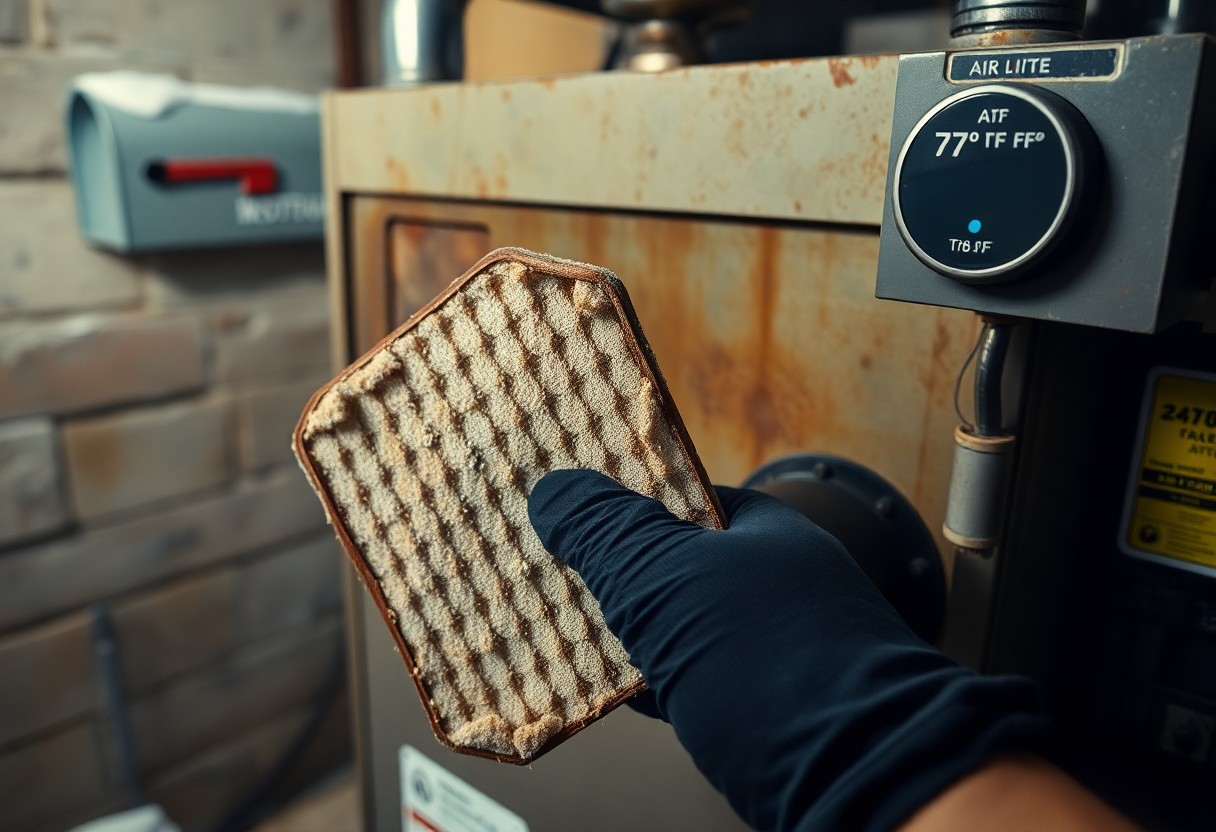
Just cold nights expose furnace faults that inflate your gas bill; you may face inefficient burners, cracked heat exchangers or a carbon monoxide risk, while timely repairs and tuning restore efficiency and lower costs.
Key Takeaways:
- Dirty air filters, clogged burners, or a poorly tuned heat exchanger lower furnace efficiency, causing longer runtimes and increased gas consumption.
- Thermostat miscalibration, aggressive temperature settings, or short cycling force the system to run more often, driving up monthly gas usage.
- Duct leaks, aging equipment, or faulty ignition components make the furnace work harder and raise bills; scheduled maintenance and timely repairs reduce waste.
Local Climate Factors and Utility Rates in Fayetteville
Colder winters in Fayetteville push your furnace to run longer, increasing energy use and pressure on utility rates. Assume that sudden cold snaps combined with local rate structures can quickly spike your gas cost.
- energy use
- utility rates
- temperature swings
- furnace runtime
Impact of Arkansas Winter Temperature Fluctuations
Temperature swings force your furnace to cycle more often, increasing natural gas consumption and accelerating wear that reduces efficiency.
Temperature Effects
| Factor | Impact |
|---|---|
| Cold snap | Higher runtime and immediate bill increases |
| Rapid fluctuation | Frequent cycling, reduced efficiency |
Understanding Regional Natural Gas Pricing Shifts
Price shifts in the regional market can raise your per-therm cost during high demand, with pipeline constraints and low storage driving volatility.
Gas supply disruptions, transport bottlenecks, and seasonal exports to nearby hubs can cause sudden spikes; you should track storage levels and rate alerts to anticipate increases.
Restricted Airflow and Filtration Issues
Restricted airflow from dirty filters and blocked vents forces your furnace to work harder, raising energy use and wear; you may see a 10-30% spike in winter bills and increased risk of breakdowns.
High Static Pressure Caused by Clogged Air Filters
Clogged filters raise static pressure, making your blower run longer and increasing energy consumption; you should change filters monthly during heavy use to avoid undue strain on the system.
Obstructions in Return Air Grilles and Supply Vents
Obstructions in returns or supply vents restrict airflow, causing uneven heating and higher bills; you must clear furniture and curtains from grilles so the system can circulate properly.
Inspect return-air paths for rugs, toys, pet beds and HVAC covers; blocked returns force your furnace into short cycling and higher temperatures, which can cause heat exchanger cracks and potential carbon monoxide exposure. Clearing those obstructions restores proper airflow, reduces wear, and lowers your heating costs.
Mechanical Inefficiencies in the Combustion Process
Older furnaces suffer when combustion components fall out of tune, forcing you to burn more gas and spike winter bills; buildup and pressure issues can also raise the risk of carbon monoxide exposure, so address inefficiencies quickly.
Carbon Buildup on Burners and Flame Sensors
Soot on burners and flame sensors reduces heat output and causes erratic cycling, making you use more gas; a simple cleaning by a pro restores proper combustion and often cuts winter bills.
Malfunctioning Gas Valves and Pressure Regulators
Faulty gas valves or regulators can supply too little or too much fuel, forcing longer run times and raising your bill; they also heighten the chance of gas leaks and unsafe combustion if not serviced.
Technician checks will measure line pressure and test valve response; replacing or adjusting regulators restores stable flow, improving your furnace’s efficiency and lowering your bills; insist on a certified pro because incorrect settings create poor combustion, pilot outages, and leak risks.
Thermostat Miscalibration and Short Cycling

Thermostats miscalibration forces your furnace to run inefficiently, causing longer heats or rapid on/off cycles that spike gas use and increase wear; have a technician recalibrate or replace faulty units to lower bills and prevent premature failures.
Faulty Temperature Readings Leading to Excessive Runtime
Inaccurate thermostat readings make your system run past set temperatures, increasing gas consumption and wear; you should test sensors and arrange professional correction to restore proper runtime and efficiency.
Thermostat Issues and Actions
| Miscalibration | You experience extended runtimes – schedule recalibration or replacement. |
| Sensor drift | You see temperature swings – replace the sensor to stop false calls for heat. |
| Short cycling | Your furnace starts/stops frequently – check filters, vents, and call a technician for diagnostics. |
The Energy Cost of Frequent System Startups
Frequent startups consume extra gas because ignition and blower surges use more energy than steady operation; you’ll notice a clear increase in your gas bill and accelerated equipment wear when cycling is excessive.
Startup cycles draw brief high energy for ignition and fan motors, so multiple short runs can surpass the fuel used by a single steady cycle; you can reduce costs by widening your thermostat deadband slightly, replacing failing controls, and having a pro evaluate cycle lengths to recommend system-level fixes.
Ductwork Integrity and Heat Loss
Leaky ducts in crawlspaces and attics send warm air where you don’t want it, forcing your furnace to run longer and raising your bills. Seal and insulate to stop heat loss, reduce gas usage, and limit the risk of pressure imbalances that can increase carbon monoxide exposure.
Sealing Leaks in Unconditioned Crawlspaces and Attics
Attic and crawlspace leaks let conditioned air escape and cold air enter, so you should seal gaps and add weather-rated barriers. Doing so lowers cycle time and reduces your gas bill, while also preventing moisture and mold that can damage insulation.
Impact of Poor Insulation on Furnace Workload
Poorly insulated walls and ceilings force your furnace to work harder to maintain temperature, increasing run time and gas consumption. Upgrading insulation curtails heat escape and trims wear on your system, lowering utility costs.
When your insulation is thin or compressed, you pay for every degree lost through walls and ceilings; your furnace cycles more and ages faster. Inspect for gaps, settling, or water damage, and add insulation with the appropriate R-value so you get lower gas bills, reduced cycling, and longer equipment life.
System Age and Component Wear
Older furnaces lose efficiency as parts wear, forcing longer run times that raise gas use and costs. If you have a unit over 15 years, expect lower performance and higher bills; consider inspection or replacement to cut losses.
Decreasing AFUE Ratings in Aging Units
Wear reduces AFUE over time, so a furnace rated 90% new may drop to 70-80% after years of operation, meaning more gas needed for the same heat. You should monitor ratings when choosing repairs or replacement.
Blower Motor Strain and Electrical Consumption
Strained blower motors draw extra electricity and can overwork the furnace, increasing both gas and electric costs; a failing motor may cause system shutdowns or unsafe heat distribution. Schedule motor checks to avoid surprises.
You should inspect blower bearings, capacitors, and belt tension; worn bearings and failing capacitors make the motor work harder, raising electrical draw and forcing the burner to run longer. That combination spikes gas usage and can cause overheating, motor failure, or even a fire risk. Professional motor testing or replacement often reduces both electric and gas bills.
Summing up
A winter gas bill spike in Fayetteville, AR is usually a runtime problem, not just a weather problem. When your furnace has restricted airflow from a dirty filter or blocked returns, burner and flame-sensor buildup, miscalibrated thermostat settings, short cycling, or duct leaks in an attic or crawlspace, it has to run longer to deliver the same comfort, and you pay for that in extra therms. If you also notice soot, yellow flames, exhaust-like odors, or frequent shutdowns, treat it as a safety concern and stop using the system until it is inspected, since combustion issues can raise carbon monoxide risk. The fastest way to get control of your bill is to fix the causes that force longer cycles, restore proper combustion and airflow, and verify your system is operating at its intended efficiency. If you want a clear diagnosis and real solutions instead of guesswork, Blue Collar HVAC can inspect your furnace in Fayetteville, AR, identify what is driving the spike, and recommend the repairs or tune-up steps that bring your heating costs back down.

